

Talk to us
08045478770
Talk to us
08045478770
A cold storage system is a sophisticated infrastructure designed to store perishable goods at controlled low temperatures to significantly extend their shelf life, maintain their quality, and ensure their safety during storage and transportation. These systems are vital in industries such as food processing, pharmaceuticals, agriculture, biotechnology, and floriculture, where products are highly sensitive to temperature fluctuations. The fundamental principle behind cold storage is the use of refrigeration technology to reduce the temperature of goods below the ambient environment, thereby slowing down enzymatic activity, microbial growth, and chemical reactions that cause spoilage and degradation. Without proper cold storage, many perishable items would spoil quickly, leading to economic losses, food insecurity, and health risks.
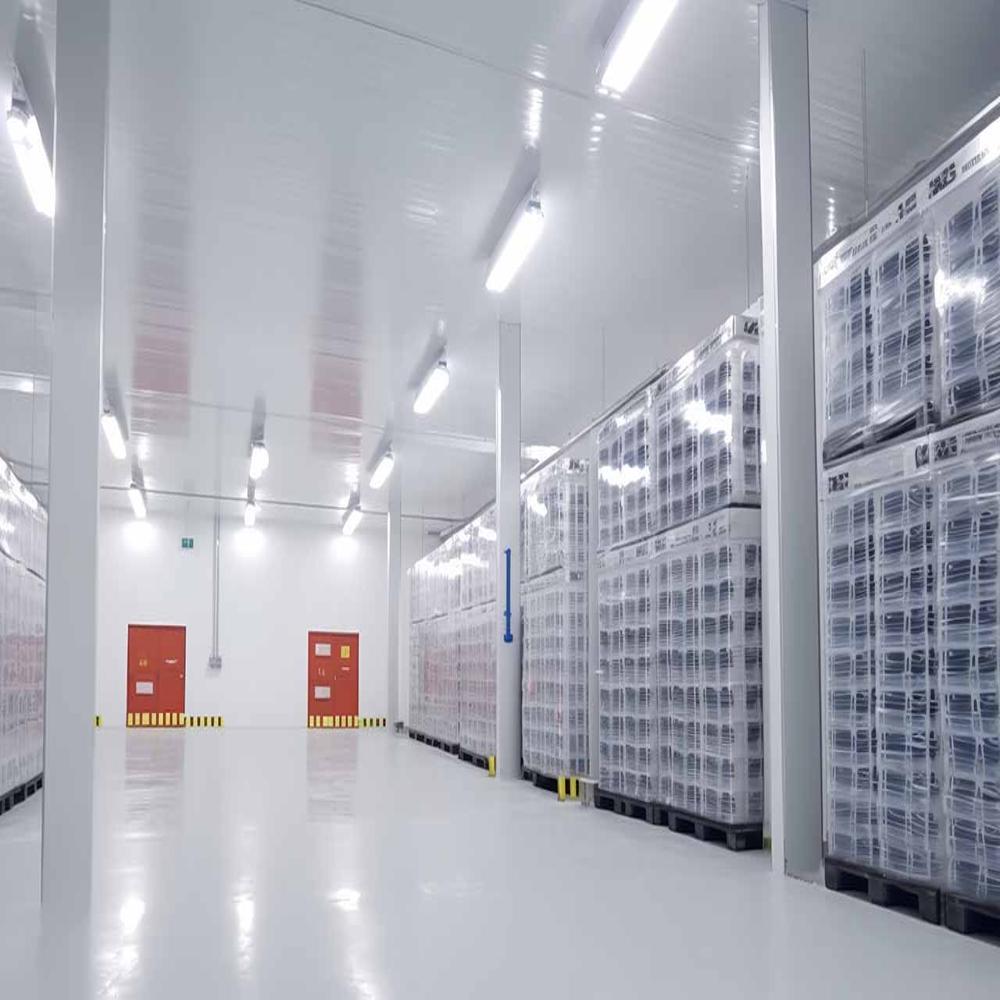
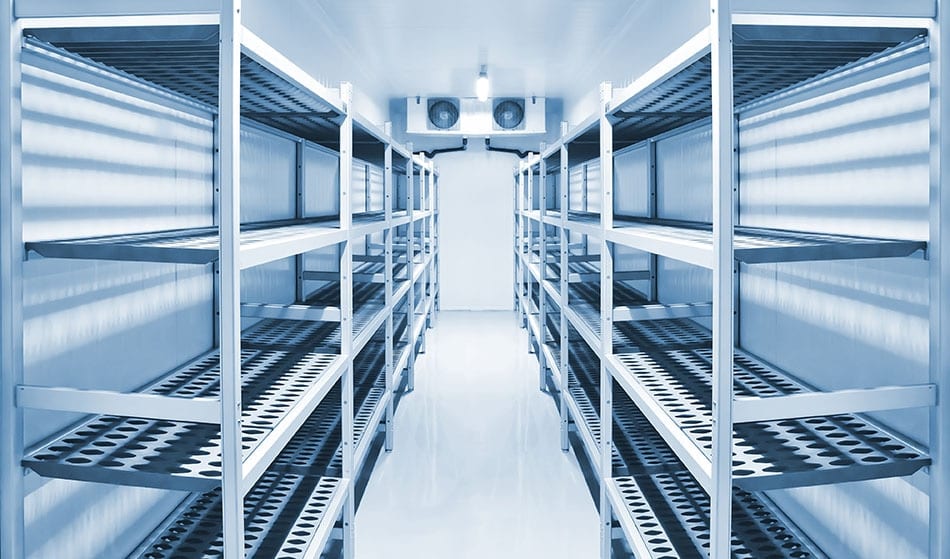
Cold storage systems come in a variety of forms, including walk-in cold rooms, refrigerated warehouses, blast freezers, refrigerated transport vehicles, and specialized cold storage containers used in shipping. Each of these is engineered to maintain specific temperature ranges suitable for different types of products. For example, fresh produce may require temperatures between 0C to 4C with controlled humidity to prevent wilting and moisture loss, while frozen foods such as meat, seafood, and ice cream require much lower temperatures, often at or below -18C, to preserve texture, flavor, and nutritional value. Vaccines and certain pharmaceuticals might require ultra-low temperatures, sometimes below -70C, necessitating specialized cryogenic storage systems.
The cold storage infrastructure involves several key components: refrigeration units that include compressors, condensers, evaporators, and expansion valves; high-quality insulation materials that minimize heat transfer; advanced temperature and humidity control systems; and monitoring devices that provide real-time data to ensure optimal storage conditions. Modern cold storage facilities are often integrated with automated systems and IoT-enabled sensors to allow for continuous tracking of temperature, humidity, and other critical parameters. This technological integration helps in preventing spoilage due to equipment failure or power outages and aids compliance with stringent regulatory standards such as those mandated by food safety authorities (e.g., FDA, USDA) and pharmaceutical regulatory bodies.
Moreover, cold storage plays a pivotal role in the cold chain, a temperature-controlled supply chain that spans from production through distribution to the end consumer. Maintaining an unbroken cold chain is crucial for preserving product integrity, especially for goods transported over long distances or stored for extended periods. The cold chain includes refrigerated trucks, containers, warehouses, and retail display units, all of which must maintain consistent temperature conditions. Any breach in the cold chain can result in the loss of product efficacy, spoilage, or contamination.
Energy efficiency and environmental impact are also important considerations in cold storage system design and operation. Since refrigeration systems consume substantial amounts of electricity, innovations in insulation, refrigerants (such as low-global warming potential gases), and energy management technologies are continuously being developed to reduce operational costs and minimize carbon footprints. Additionally, some cold storage facilities incorporate renewable energy sources, such as solar panels, to power refrigeration units, promoting sustainable practices.

Price:

 Send Inquiry

 Send Inquiry